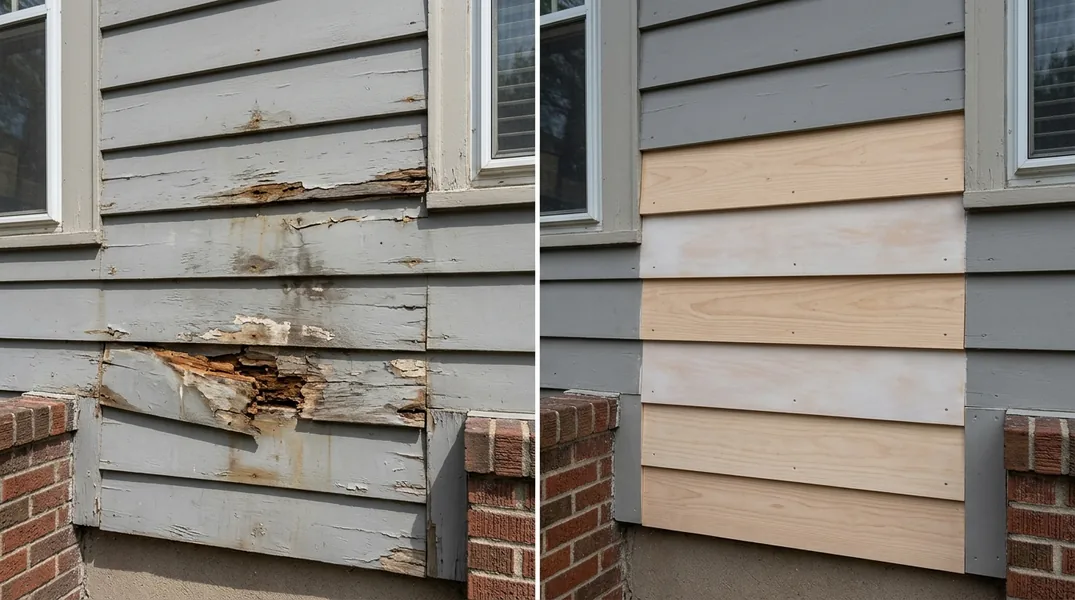
Why Minneapolis Winters Are a Wood Rot Problem
If you own a home in Minneapolis, you already know that winter is no joke. Temperatures plunge well below freezing, snow accumulates in thick layers, and the freeze-thaw cycle repeats relentlessly from November through March. What many homeowners don't realize is that this brutal climate creates the perfect storm for wood rot damage.
Wood rot thrives in moisture and moderate temperatures. During a Minneapolis winter, your exterior wood is constantly exposed to snow melt, ice dams, and moisture that seeps into cracks and crevices. When temperatures fluctuate around freezing, water enters the wood, freezes, expands, and thaws repeatedly. This cycle weakens the wood fibers and allows moisture to penetrate deeper into the material. Unlike dry climates where moisture evaporates quickly, Minneapolis's long winters mean moisture stays trapped in your wood for weeks or months at a time. This extended exposure is exactly what wood rot fungi need to flourish.
The problem is compounded by the fact that many homeowners don't notice damage until spring arrives and the wood has already begun to deteriorate significantly. By then, what started as a small area of softness may have spread throughout structural components like fascia boards, window frames, door jambs, and deck posts. This is why understanding the risks and recognizing signs of wood rot early is so important for Minneapolis homeowners.
Signs of Wood Rot You Should Never Ignore
Recognizing the early signs of wood rot can save you thousands of dollars in repairs. The most obvious indicator is soft or spongy wood that feels mushy when you press on it with a screwdriver or awl. Unlike solid wood, rotted wood will allow the tool to sink in easily. You may also notice discoloration, typically dark stains or a grayish appearance on the wood surface. Paint may bubble or peel in areas where moisture has penetrated, and you might detect a musty or earthy smell around affected areas.
Another common sign is wood that has become warped, cracked, or split in unusual ways. Rot weakens the structural integrity of the wood, causing it to lose its shape and strength. Pay special attention to areas where wood meets masonry, where gutters attach to fascia, around window and door frames, and anywhere water tends to collect or run. Decks, porches, and other exterior structures are particularly vulnerable because they're exposed to constant weather exposure. If you notice any of these warning signs, it's time to contact a professional for an assessment. The sooner you address the problem, the less extensive and expensive your repairs will be.
Exterior Wood Rot Repair: When You Need Professional Help
Exterior wood rot repair is not a DIY project for most homeowners. While small surface damage might seem manageable, wood rot often extends far deeper than what you can see on the surface. Fungal decay spreads through the wood grain, weakening structural components that you can't assess without professional expertise. Attempting to patch rotted wood without addressing the underlying moisture problem will only result in the rot returning, often worse than before.
Professional wood rot repair Minneapolis contractors have the tools, knowledge, and experience to properly diagnose the extent of damage, identify moisture sources, and implement lasting solutions. They can remove affected wood, treat the area to prevent future rot, and replace damaged sections with properly sealed and treated materials. Depending on the severity and location of the rot, repairs might involve replacing fascia boards, repairing or replacing window frames, fixing deck joists, or addressing structural components. Minneapolis Carpentry specializes in identifying and repairing all types of wood rot damage, and we can provide you with a free estimate to understand your repair needs and costs.
Dry Rot Repair: A Different but Equally Serious Problem
While wet rot is caused by excessive moisture, dry rot repair addresses a different type of fungal decay that can spread rapidly through wood even in seemingly dry conditions. Dry rot fungi can travel through wood and masonry, spreading to other wooden components in your home. It's often discovered in basements, crawl spaces, or interior areas where moisture levels have been elevated for extended periods. In Minneapolis homes with older foundations or poor drainage, dry rot can become a serious structural threat.
The distinguishing features of dry rot include wood that becomes brittle and cracks in a distinctive cubic pattern, a musty odor, and sometimes visible fungal growth that appears grayish or white. Unlike wet rot, dry rot can continue to spread even after the initial moisture source is removed, making it particularly dangerous. If you suspect dry rot in your home, professional assessment is critical. The fungus can compromise structural integrity, affect floor joists, and spread to load-bearing walls if left unchecked. Minneapolis Carpentry has extensive experience with dry rot repair and can help protect your home's structural integrity.
How to Prevent Wood Rot in Minneapolis's Climate
Prevention is always more cost-effective than repair. The key to preventing wood rot in Minneapolis is managing moisture and ensuring proper drainage around your home. Keep gutters clean and functioning properly so water flows away from your roof and foundation. Ensure that downspouts extend at least six feet from your foundation and that the ground slopes away from your home to prevent water from pooling against the foundation or siding. Caulk gaps around windows, doors, and trim to prevent water infiltration. Paint and seal all exterior wood regularly, especially after the harsh Minnesota winter season.
Improve ventilation in attics, basements, and crawl spaces to reduce humidity levels. If you have a basement or crawl space, consider installing a vapor barrier or dehumidifier to keep moisture levels in check. Trim tree branches that hang over your roof, as they can trap moisture and prevent proper drying. During winter, remove snow and ice dams from your roof promptly to prevent water from backing up under your shingles. Finally, schedule annual inspections of your home's exterior, particularly in spring after winter weather has passed. Catching problems early makes repairs simpler and less expensive. If you're concerned about potential wood rot in your Minneapolis home, reach out to Minneapolis Carpentry at (612) 441-4671 for a professional evaluation.
Wood Rot & Dry Rot Repair Cost in Minneapolis: What to Budget
The cost of wood rot repair varies significantly depending on the extent of damage, the location of the rot, and the type of wood that needs replacement. Minor repairs involving small areas of fascia or trim might cost between five hundred and fifteen hundred dollars, while more extensive damage affecting structural components could run several thousand dollars or more. Pricing also depends on whether the repair requires simple patching or complete replacement of affected sections, and whether additional work like moisture remediation is needed.
The best way to understand what your specific repair will cost is to schedule a professional inspection. Minneapolis Carpentry offers a free estimate so you can know exactly what you're facing before any work begins. We'll assess the damage, explain your repair options, and provide transparent pricing for the work. Remember that delaying repairs almost always increases costs, as wood rot spreads and affects more of your home's structure. Addressing the problem promptly is an investment in your home's safety and value. Contact us today at (612) 441-4671 or visit our website to request your free estimate.
Looking for a professional carpentry contractor in Minneapolis? Minneapolis Carpentry responds fast for all your carpentry needs.
Get a Free QuoteOur services: Wood Rot & Dry Rot Repair · Termite Damage Repair · Floor Joist & Subfloor Repair