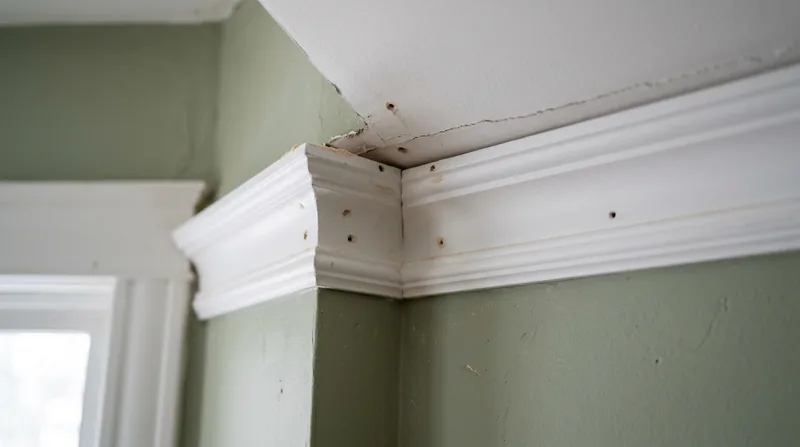




Crown molding and baseboard installation in Minneapolis finishes a room the way it deserves, and in homes across Kingfield, Linden Hills, Northeast Minneapolis, and the outer suburbs, the details matter. Minneapolis' stock of century-old Craftsman bungalows, American Foursquares, and post-war ramblers all benefit from crisp trim work that ties walls to ceilings and floors. The freeze-thaw cycles and seasonal moisture swings that dominate this climate can warp existing trim and shift door jambs and wall planes, making new installation or repair a practical investment. We install crown molding and baseboards with coped joints and clean caulk lines, matched to original bungalow profiles in historic neighborhoods or kept modern and sharp for newer builds. The work is finish carpentry at its core, and it transforms how a home feels.
Why Crown Molding and Baseboard Installation Matters in Minneapolis Homes
Trim work does more than look good. In Minneapolis, where seasonal temperature swings push wood to expand and contract, baseboards protect wall bottoms from scuffs, furniture, and vacuum damage. Crown molding at the ceiling line hides the joint between wall and ceiling plane, a joint that often telegraphs seasonal movement in older homes. Proper installation with coped joints at inside corners instead of mitered joints means trim stays tight and joints stay closed as the house moves through the heating season and spring thaw.
- Baseboards shield drywall and plaster from impact and moisture at the floor line, extending wall life and appearance.
- Crown molding covers gaps and seasonal movement at the ceiling, creating a finished look and hiding imperfect wall-to-ceiling angles.
- Coped joints stay tight through freeze-thaw cycles better than mitered joints, which open as wood shrinks and expands.
- Proper finish and caulking protect wood from moisture and seasonal cupping, especially important in Minneapolis' humid summers and dry heating seasons.
In homes across South Minneapolis and the suburbs, trim work is one of the last details that separates a renovation from a finished space.
Key info: Minneapolis homes built before 1950 often have original crown and baseboard profiles specific to their era. Kingfield and Tangletown bungalows typically feature 2.5-inch to 4-inch crown with simple ogee or cove profiles. We match these profiles when replacing trim in historic homes, keeping the character intact while using modern stable wood species and finishes.
For more on finish carpentry and trim work, see our finish and trim carpentry service page. For questions about permits or neighborhood-specific trim standards in Minneapolis, the Minneapolis Heritage Preservation Commission maintains guidelines for protected neighborhoods: check the city's heritage preservation office if your home is in a historic district.
How We Install Crown Molding and Baseboards in Minneapolis
The process starts with layout and scribing. We walk the room, measure wall angles and ceiling planes, and identify where walls bow or ceilings slope, which is common in older Minneapolis homes. We then cut and install baseboards first, running them level and tight to the floor, and follow with crown molding at the ceiling line. The craft is in the joints, the caulk, and the finish.
- We measure walls and ceilings to identify bows, angles, and seasonal movement patterns before cutting any trim.
- We install baseboards level and tight to the floor, using scribing at inside corners to match wall irregularities perfectly.
- We cut crown molding with coped joints at inside corners, which stay tight through freeze-thaw cycles better than miter joints.
- We caulk all joints with paintable caulk matched to the finish, creating a clean line that hides gaps and seasonal movement.
- We sand and finish or prime all trim, matching existing paint or stain in the room.
The work is meticulous, and it shows in how the trim looks and stays tight year after year.
Example: A 1920s bungalow in Linden Hills with original 4-inch crown molding and 6-inch baseboards in one room and mismatched trim in a remodeled section. We removed the new trim, matched the original profile in clear pine, installed it with coped joints, and finished with period-appropriate stain. The room now reads as one coherent space, and the coped joints will stay tight through decades of Minnesota winters.
For questions about related trim and finish work, see our custom built-ins and shelving service, which often includes trim and casing work.
| Approach | Description | Best for |
|---|---|---|
| Coped joints at inside corners | One piece of molding is cut to fit the profile of the other, creating a mechanical lock that stays tight as wood moves. | All interior crown and baseboard work. Superior to mitered joints in Minneapolis' seasonal climate. |
| Miter joints at outside corners | Two pieces meet at 45 degrees. Clean look, but joints can open slightly as wood shrinks in winter heating season. | Outside corners where coping is not possible. Sealed and caulked to minimize gap visibility. |
| Scribing to irregular walls | Baseboard or trim is cut to match the exact contour of a bowed or uneven wall, ensuring tight fit without gaps. | Older Minneapolis homes where walls have settled or shifted. Creates seamless appearance against imperfect surfaces. |
| Paintable caulk finish | All joints and gaps are sealed with caulk matched to paint color, hiding seasonal movement and imperfections. | Painted trim. Protects joints from moisture and creates a finished, professional appearance. |
| Stain and finish on clear wood | Trim is sanded, stained to match existing wood, and sealed with polyurethane or other clear finish for protection and durability. | Stained trim in historic homes or modern builds where wood grain is visible. Protects against moisture and seasonal movement. |
Crown Molding and Baseboard Installation Cost in Minneapolis: What to Expect
Crown molding and baseboard installation in Minneapolis typically starts at $450 for a single room, depending on the room size, profile complexity, and condition of existing walls. A 12 by 14 foot bedroom with simple baseboard and crown runs roughly $600 to $900 installed and finished. Larger rooms, multiple rooms, or complex profiles with heavy scripting and custom coping increase the cost. The main factors that move the price are room size, the number of inside and outside corners, wall condition, and whether existing trim needs removal.
- Room size and linear feet of trim directly affect labor and material cost, with larger spaces requiring more stock and time.
- Wall condition matters: severely bowed or uneven walls require more time for scribing and fitting.
- Profile complexity and wood species affect material cost, with clear pine less expensive than oak or custom profiles.
- Removal of existing trim, patching walls, and finishing work add to the total, but are often necessary in renovations.
- Coped joints at inside corners take more time than simple miters but are worth the investment in Minneapolis' climate.
We recommend getting 2 to 3 estimates from local carpenters so you understand what's included and what factors move the price. For a detailed pricing overview and to request a free estimate, see our pricing page or call us at (612) 441-4671.
Crown Molding and Baseboard Installation Near Me: What Minneapolis Homeowners Should Know When Hiring a Carpenter
Hiring a carpenter for trim work is straightforward if you know what to look for. The work is visible and permanent, so the quality of the installation, finish, and joinery matters. Look for a carpenter who is fully insured, can explain how they handle corners and seasonal movement, and is willing to show references from recent work in Minneapolis homes. If your home is in a historic district such as Kingfield, Linden Hills, or the Chain of Lakes area, ask about experience matching original trim profiles and whether they understand neighborhood-specific guidelines.
- Confirm the carpenter is fully insured and carries liability and workers compensation coverage.
- Ask for references from recent trim work in Minneapolis, especially in homes similar in age and style to yours.
- Request a walk-through estimate where the carpenter measures, discusses wall condition, and explains the approach to corners and joints.
- Check whether the carpenter is familiar with original trim profiles in your neighborhood if your home is in a historic district.
- Clarify what's included in the estimate: removal of old trim, wall patching, finish and caulk, and cleanup.
- Get the estimate in writing with a timeline and a clear understanding of payment terms.
Trim work is a detail that lasts decades when done right. Take time to hire someone who understands Minneapolis homes and takes pride in joinery and finish. For a free, no-obligation estimate, contact us or call (612) 441-4671.
Crown Molding & Baseboard Installation in Minneapolis: Pricing Guide
| Service | Price | Details |
|---|---|---|
| Single room crown molding and baseboard | Starting at $450 | Includes material, labor, coped joints, caulk, and finish for one room up to 200 linear feet |
| Multiple rooms or complex profiles | Starting at $800 | Crown with custom profiles, extensive scribing, or multiple rooms with varying wall conditions and angles |
| Removal of existing trim and wall prep | Starting at $200 | Removal, patching, sanding, and wall preparation before new trim installation, charged separately |
| Stain or specialty finish | Starting at $150 | Sanding, staining to match existing wood, and polyurethane or clear finish sealing for protection and durability |
| Travel and estimate | Included and free | No travel fee in Minneapolis and surrounding areas, free estimate within 24 hours, no obligation to book |
Indicative pricing, the exact cost depends on square footage, finish, and site access. Free personalized estimate within 24h at (612) 441-4671.


