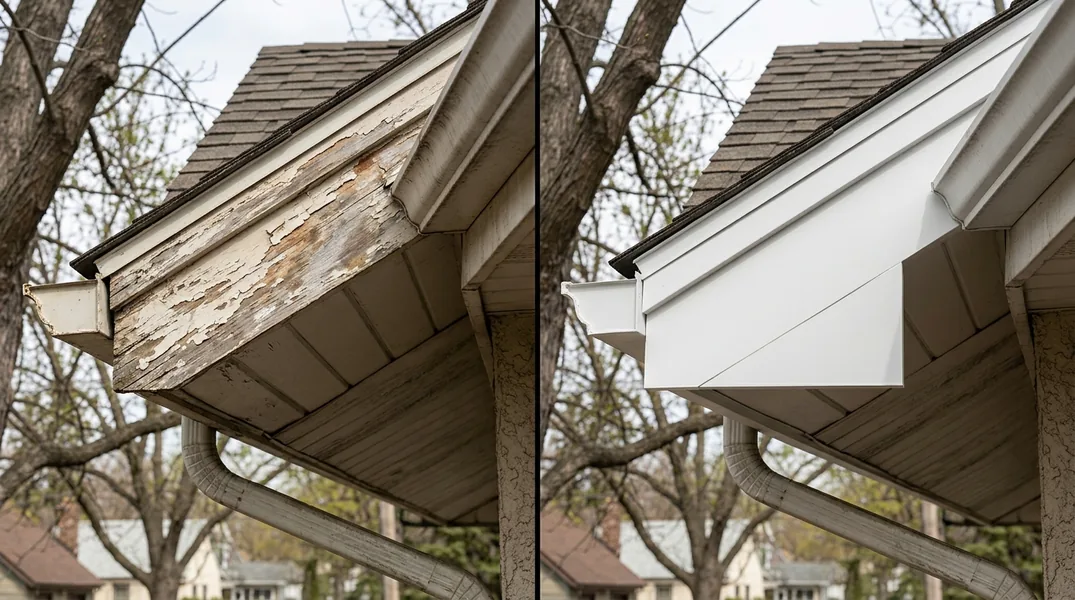
Why Minneapolis Bungalows and Foursquares Need Special Care
If you own a craftsman bungalow or foursquare in Minneapolis, you're steward of a piece of architectural history. These homes, built mostly between 1900 and 1930, are beloved for their solid construction, character details, and honest craftsmanship. But that age comes with a responsibility: wood maintenance is not optional, it's essential.
The bones of these homes are real wood. Exterior siding, interior framing, floor joists, and decorative trim were all milled from timber that has now weathered nearly a century of Minnesota winters. Wood is a living material that moves, expands, and contracts with moisture and temperature changes. When that wood isn't properly maintained or sealed, it becomes vulnerable to rot, decay, and structural failure. Unlike newer homes with engineered materials and modern building codes, historic homes depend on proactive care to remain safe and beautiful.
Understanding Wood Rot vs. Dry Rot: What's Actually Happening
Most homeowners use the terms 'wood rot' and 'dry rot' interchangeably, but they describe different problems that require different solutions. Understanding the difference helps you communicate more clearly with contractors and make smarter repair decisions for your Minneapolis home.
Wet rot (often called wood rot) occurs when wood is exposed to persistent moisture. This could be from a roof leak, poor drainage, failed caulking, or wood that touches soil. Wet rot typically appears as soft, spongy wood that darkens and becomes mushy. The wood fibers break down as fungi feed on the cellulose, weakening the structure. Dry rot is actually a misnomer. It's caused by a specific fungus (Serpula lacrymans) that thrives in damp conditions but can spread through wood that appears dry. Dry rot creates a distinctive cuboid cracking pattern and can spread rapidly through a home if left untreated.
Both types of rot are serious. Both compromise structural integrity. Both require prompt attention. The key difference is that wet rot usually stays localized to the affected area, while dry rot can travel through wood and even across masonry. If you suspect either type of rot in your home, Wood Rot & Dry Rot Repair should be your next step. A professional inspection will identify the cause, the extent of damage, and the right repair strategy.
Common Problem Areas in Craftsman Bungalows and Foursquares
Certain areas of historic homes fail more often than others. Knowing where to look helps you catch problems early, before they become expensive. The most vulnerable zones in Minneapolis bungalows are the roof line, exterior siding, window frames, and foundation perimeter.
Roof overhangs and fascia boards are constant targets for moisture and UV damage. These elements take the brunt of weather exposure, and if the paint or sealant fails, water penetrates the wood. Soffit vents can also fail, trapping moisture inside the overhang. Exterior wood siding, especially on the north and west sides of the home, stays damp longer after rain and snow melt. If the paint is peeling or missing, the wood absorbs moisture and begins to deteriorate. Window frames and sills are another trouble spot. These joints collect water, and old caulk fails over time. Wood rot in window frames is extremely common in homes over 80 years old.
Foundation perimeters are the fourth critical zone. Wood siding that sits close to the ground, wood steps, and rim joists all absorb moisture from soil and splashing. Basements and crawl spaces with poor drainage create humid conditions that encourage rot in floor joists and rim boards. If you notice soft spots, discoloration, or a musty smell in your basement, the problem may already be advanced. Regular inspections of these four areas, done annually or after major weather events, will catch most problems while they're still manageable.
When to Repair vs. When to Replace Wood
Not every instance of wood damage requires full replacement. A smart repair strategy balances preservation with safety and budget. The decision depends on how deep the rot goes, whether the wood is structural, and whether the damage is still spreading.
Surface rot that affects only the outer inch or two of a non-structural board (like trim or fascia) can often be repaired by cutting out the damaged section and replacing just that piece. This approach preserves the historic character of your home and costs less than replacing the entire board. However, if rot has penetrated more than halfway through the thickness of the wood, or if it affects a structural element like a floor joist, rim board, or load-bearing beam, replacement is safer and more durable. Structural wood must carry weight and resist stress. Partially rotted structural wood cannot be trusted, even if it's been treated or stabilized.
The second question is whether the rot is still active. If the wood is wet and soft, or if you see fresh fungal growth, the rot is still feeding on the wood. In these cases, you must address the moisture source first. Repair or replace the wood, then fix the leak, improve drainage, or seal the surface to prevent recurrence. A wood repair that doesn't stop the moisture source will fail again within a few years. This is why Wood Rot & Dry Rot Repair always includes a moisture audit and prevention plan.
The Real Cost of Wood Damage: Budget and Timeline
Wood rot repair costs vary widely depending on the location, extent, and type of damage. A small section of fascia might run a few hundred dollars, while extensive rot in floor joists or structural beams can easily reach several thousand. Understanding the factors that drive cost helps you budget realistically and avoid sticker shock.
Labor is the largest cost factor. Accessing the damaged wood, removing it safely, treating the surrounding area, and installing new wood takes time and skill. If the rot is in an attic, crawl space, or hard-to-reach area, labor costs climb. Material costs depend on the type and grade of wood. Historic homes often benefit from matching the original wood species and grain, which may require special sourcing. If the rot is extensive or affects structural elements like Floor Joist & Subfloor Repair, the project becomes more complex and costly. You may also need to address the root cause, such as reroofing, improving gutters, or waterproofing a basement, which adds to the total bill.
The timeline for repair also depends on scope. A small repair might be completed in a day or two. A major structural repair could take weeks, especially if permits are required or if the work must be scheduled around other contractors. The best approach is to get a detailed estimate from a qualified local contractor. Minneapolis Carpentry offers free estimates and can walk you through the options, timeline, and pricing for your specific situation. Call (612) 441-4671 to schedule an inspection.
Prevention: The Best Strategy for Historic Home Owners
Prevention is always cheaper and easier than repair. A proactive maintenance plan protects your investment and extends the life of your home's wood components by decades. The good news is that prevention doesn't require expensive systems or invasive treatments. It requires attention and consistency.
Start with the roof. Make sure gutters are clean, downspouts extend at least 4 to 6 feet away from the foundation, and the roof itself is in good repair. A single roof leak can damage multiple floors of framing before you notice it. Next, inspect and maintain exterior paint and caulk. Plan to repaint wood siding every 5 to 7 years, depending on sun exposure and climate. Caulk around windows, doors, and trim joints every 2 to 3 years. This simple step keeps water out of the most vulnerable joints. Grade and drainage matter too. Make sure soil slopes away from the foundation and that water doesn't pool near the house. If you have a basement or crawl space, ensure it stays dry through proper drainage and ventilation.
Finally, inspect your home twice a year, especially in spring and fall. Look for soft spots in siding, peeling paint, water stains, musty odors, and visible mold or fungal growth. Catch problems early, and you'll avoid the cost and disruption of major repairs. If you find something concerning, get a professional assessment. Don't wait or hope it goes away. Wood damage gets worse, not better, with time. Contact Minneapolis Carpentry for a free estimate and expert advice on protecting your historic home.
Looking for a professional carpentry contractor in Minneapolis? Minneapolis Carpentry responds fast for all your carpentry needs.
Get a Free QuoteOur services: Wood Rot & Dry Rot Repair · Termite Damage Repair · Floor Joist & Subfloor Repair